
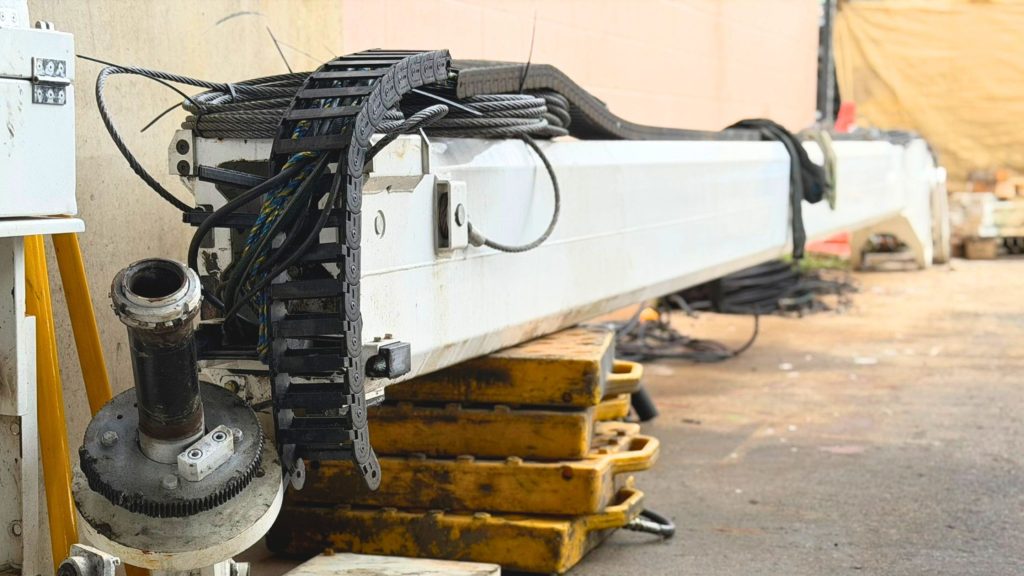
If you own or manage an Elevated Work Platform (EWP), you’ve likely heard the term “10-year major inspection”, but what does it actually involve?
More importantly… what are you really paying for?
At EWP Systems, we regularly carry out major inspections on truck-mounted EWPs across the Sunshine Coast and beyond. And one thing we’ve found is this: most machines are overdue, under-serviced or not inspected to the level required under Australian Standards.
Let’s break it down.
What is a 10-Year Major Inspection?
A 10-year major inspection is a comprehensive structural and mechanical assessment of your EWP, required under Australian Standards (such as AS2550.10 for boom-type EWPs).
It’s designed to ensure the machine is still safe, structurally sound, and compliant after a decade of use.
This is not your standard service or annual inspection.
It’s a full strip-down and rebuild-level assessment.
What’s Actually Involved?
While every machine is different, a proper 10-year inspection typically includes:
1. Full Structural Inspection
- Boom sections stripped and inspected
- Crack testing (NDT if required)
- Inspection of welds, pins, and bushes
- Checking for fatigue, corrosion, or hidden damage
This is where we often find issues that aren’t visible during routine inspections.
2. Pin & Bush Assessment (and Replacement)
- Measurement of wear tolerances
- Replacement of worn pins and bushes
- Machining of new components where required
This is critical, excess wear here directly impacts machine stability and safety.
3. Hydraulic System Overhaul
- Inspection of cylinders, hoses, and seals
- Replacement of worn or ageing components
- Pressure testing and leak checks
Hydraulics are one of the most common failure points if neglected.
4. Control & Safety System Testing
- Function testing of all controls
- Calibration and diagnostics
- Verification of safety devices and limit systems
Modern EWPs rely heavily on electronics, this step ensures everything is working as it should.
5. Fibreglass & Insulation Testing (if applicable)
- Inspection and testing of insulated booms
- Ensuring compliance for electrical work environments
Especially critical for units used by utility providers.
6. Reassembly, Testing & Certification
- Full reassembly of the machine
- Load testing and operational checks
- Final certification and documentation
Only once everything passes can the machine be returned to service.
Why It Matters (More Than You Think)
Skipping or cutting corners on a 10-year inspection can lead to:
- Hidden structural failures
- Increased risk of breakdowns
- Non-compliance with Australian Standards
- Safety risks for operators
- Liability exposure for business owners
Put simply: this isn’t the place to save money.
The Reality We See in the Workshop
We regularly see machines come in that:
- Haven’t had a true major inspection
- Have excessive wear in pins and bushes
- Show early signs of structural fatigue
- Have been “ticked off” without proper strip-down
And that’s where problems start.
Need a 10-Year Inspection Booked?
If your machine is due or you’re not sure, get in touch with our team.
We specialise in truck-mounted EWPs, with a focus on doing the job properly the first time.

1 thought on “What Does a 10-Year EWP Major Inspection Actually Involve?”