
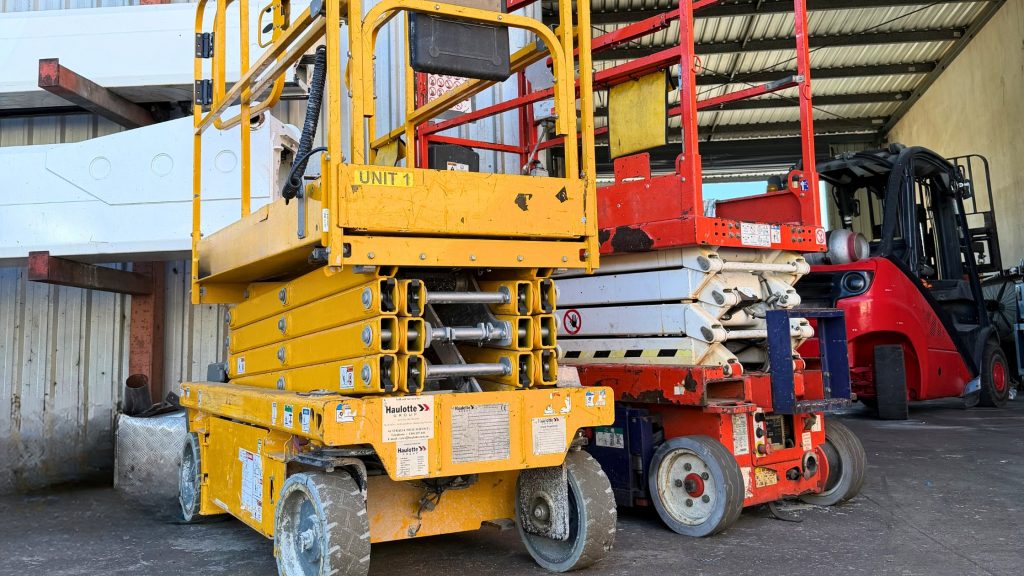
Scissor lifts work hard.
Whether they’re being used in warehouses, construction sites, maintenance facilities or industrial environments, they’re often relied upon every day to keep work moving safely and efficiently.
Like any piece of equipment, regular inspections play an important role in maintaining safety, reliability and compliance.
One of the most common requirements for scissor lifts is the 90-day inspection.
But what exactly gets checked and why does it matter?
What Is A 90-Day Scissor Lift Inspection?
A 90-day inspection is a scheduled inspection designed to identify wear, damage and potential issues before they become larger problems.
Rather than waiting for equipment to fail, these inspections provide an opportunity to assess the machine’s condition and address concerns early.
Regular inspections help operators maintain confidence that their equipment is operating as intended.
What Gets Checked?
While requirements can vary between machines and manufacturers, inspections commonly include assessment of:
Structural Components
Inspecting the scissor stack, platform, guardrails and structural components for signs of damage, excessive wear or defects.
Safety Systems
Checking emergency stops, alarms, limit switches, interlocks and other safety-related functions.
Hydraulic Systems
Inspecting hoses, fittings, cylinders and components for leaks or damage.
Electrical Systems
Assessing wiring, controls, batteries, charging systems and operational functions where applicable.
Wheels and Tyres
Checking for damage, excessive wear and general condition.
Operational Functions
Ensuring lift, lower, drive, steering and control functions operate correctly.
Why Are These Inspections Important?
Many machine failures don’t happen suddenly.
Small issues often develop gradually over time.
Regular inspections can help identify:
- Wear before failure occurs
- Minor leaks before they become major repairs
- Safety concerns before they create risk
- Maintenance requirements before they affect reliability
A proactive approach generally results in fewer surprises and less downtime.
Protecting Your Investment
A scissor lift is a valuable business asset.
Routine inspections help protect that investment by supporting:
- Equipment reliability
- Operator safety
- Longer service life
- Reduced downtime
- Better maintenance planning
Many costly repairs begin as relatively minor issues that could have been identified earlier.
Mobile Inspections Make It Easier
One of the biggest advantages for many businesses is that inspections don’t always require equipment to leave site.
EWP Systems can carry out many inspections and servicing activities at your location, helping reduce disruption and minimise downtime.
If larger repairs are required, our Marcoola workshop is equipped to provide additional support.
Small Checks Today Can Prevent Bigger Problems Tomorrow
The purpose of a 90-day inspection isn’t simply ticking a compliance box.
It’s about understanding the condition of your equipment and helping keep it operating safely and reliably.
A small issue identified today is often far easier – and cheaper – to manage than a major repair discovered later.
Need A 90-Day Scissor Lift Inspection?
Whether you operate a single scissor lift or manage an entire fleet, regular inspections can help keep your equipment safe, compliant, and ready for work.
Talk to the team at EWP Systems about mobile inspections, servicing and ongoing support.
